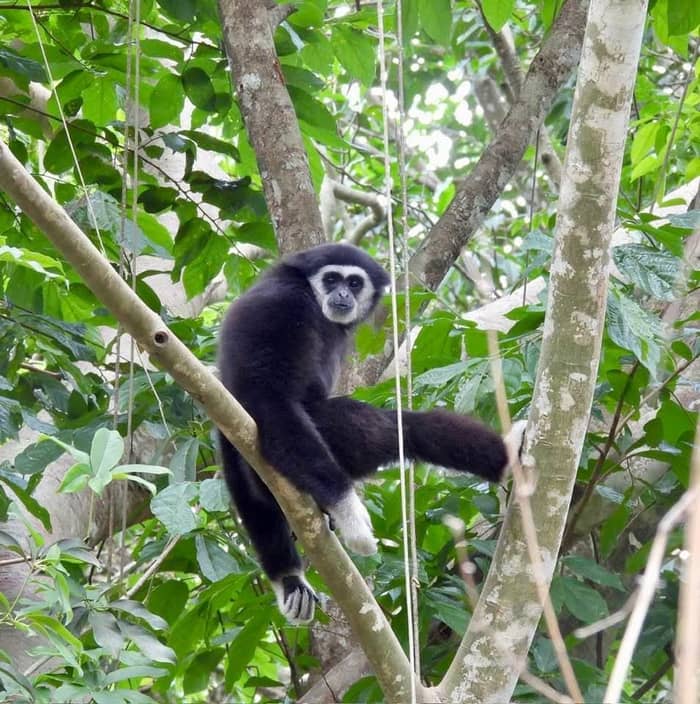
TAT's pick
The cool season
Crisp mornings, clear days
- MonthsNovember to February2
- MorningsAround 10 degrees16
- Good forHiking and views24
- PackA fleece and a hat
Guides
Language
Currency
See availabilitystarting at $75 · free cancellationChecklist you can tick
Checklist · 8 tasks
Tap items to tick them off. This device remembers your progress.
0 / 8 ready
All set. Choose your date for the hills, and the rest is settled.
Book a seatThe village sits high above Chiang Mai, so its temperature and mood differ from the city. This guide sets out the seasons month by month and what each means for a visit.
Editorial team, maekampongtour.top · Updated November 12, 2026 · Read in 8 min
Overview
Mae Kampong village altitude is the reason the weather there differs from the city's. Operators put the village at 1,300 meters, and the FAO study lists 1300 m above sea-level.5 For comparison, TAT places the temple on Doi Suthep at 1,056 metres,6 so the village sits above the famous temple, while Doi Inthanon, the Roof of Thailand, is the highest point in the country at 2,565 metres.7
Height cools the air. A TAT writer who stood on the Doi Inthanon summit found it a frosty 5°C that morning while the city below was a pleasant 24°C.8 Mae Kampong is far lower than that summit, so do not expect frost, but the direction of the difference is the same: mornings and evenings in the village feel cooler than the plain you left an hour earlier. The Mekong Tourism Coordinating Office puts it plainly: the forested mountain setting gives a pleasant, cool climate through the year.9
No weather station sits in the village itself, and readings from the plain below would misdescribe a village this high, so this guide leaves out a climate chart and uses descriptions from Thailand's meteorological department and tourism authority instead. Read the figures below as a sketch of the seasonal rhythm, and treat any day's forecast for Chiang Mai city as warmer than the village will feel.
Month by month
| Months | What the TMD describes | What it means in the hills |
|---|---|---|
| January | The lowest temperatures of the year in most of Thailand, with chilly northern parts and morning fog.19 | Coldest mornings; bring layers. |
| February | The winter to summer transition, still cold to very cold in the north in the 1st half.20 | Cold start, warmer afternoons. |
| March and April | Hot and dry with little humidity in March, then the hottest month of the year in April.10,11 | Cooler than the city, still hot at noon. |
| May and June | Rainy season from the 2nd half of May, then a dry spell of 1 to 2 weeks may occur.12,13 | Green hills, showers, some dry days. |
| July and August | Little or no rain for many days at first, then densely abundant rainfall in August.21,22 | Full waterfall, slippery trail. |
| September | The most abundant monthly rainfall of the whole year in most areas.14 | Wettest month; pack rain gear. |
| October | The transition from rainy to winter, with cool weather from mid-month.15 | Drying out, clearer views. |
| November and December | Much less rain and cool weather in November, chilly in December.23,18 | Cool and comfortable days. |
Descriptions from the TMD's 30-year normal for Upper Thailand, not the village; the last column is practical advice.
The only published village temperature is old but useful. The FAO case study puts the yearly average at Baan Mae Kampong at 10-18 °C and describes refreshing breezes that offer relief from the heat of Chiang Mai.1 That range is an average, so a hot afternoon will exceed it and a cool-season night will undercut it. Mae Kampong village temperature is best read as cooler than the city's on any day of the year.
Cool-season mornings are the coldest part. TAT says cool-season mornings and nights in the North and Northeast can fall to about 10 degrees Celsius, which feels particularly chilly, and that readings at high altitudes can dip below freezing.16,17 The TMD describes December as bringing commonly chilly weather to Upper Thailand and feasibly very cold weather at mountainous areas and mountain tops.18 You will want a jacket from November to February.
The hot season is described as mild on the hill. Operator copy for the site tour says that in the hot season the elevation keeps the temperature mild and birdlife is easier to spot. Treat that as a sales line, not a guarantee, and still carry water and a hat. The TMD's hottest month is April, with Upper Thailand singled out,11 and the village will be cooler than the plain but not cold.
Thailand has a cool season, a hot season and a green season, and the hills follow the same rhythm. TAT advises traveling from November to February, when humidity and temperature are lower,2 and describes mid-May to mid-October as the Northern Region's green stretch.3 The hot weeks sit between them. Use the table and the timeline on this page as the month-by-month answer to Mae Kampong village weather.
The TMD's 30-year normal covers 1991 to 2020 and speaks for Upper Thailand as a whole,25 so it describes the seasons, not the village. It says January brings the lowest temperatures of the year in most of Thailand, with commonly chilly weather in the northern parts and on high mountain tops, plus morning fog.19 February is the transition from winter to summer, and the northern parts can still be cold to very cold in the 1st half of the month.20
Let the day you want decide the season, since each rewards a different plan. Cool, clear mornings and comfortable hikes point to November through February, a full waterfall and green slopes point to the rainy months, and a warm, dry visit can work in the hot weeks if you start early and avoid midday. Trails are steeper and slipperier when wet, and views are least clear when the air is smoky.
Pick your month
Say what matters most and see the season that answers it.
If I want cool air and comfortable hiking
November to February
If I want a loud, full waterfall
August to September
The TMD ties these months to the heaviest rain of the year.22,14
If I want to avoid smoke
Check air quality first
TAT advises monitoring the air quality index for Chiang Mai and the surrounding provinces.4
If I want the fewest rain delays
The cool months
Rain eases in October and November brings much less rain to Upper Thailand.15,23
If I can only go in the hot weeks
Start early and check the air
April is the most sweltering month; the hill is milder than the plain.11
Pick your season
TAT's pick
Crisp mornings, clear days
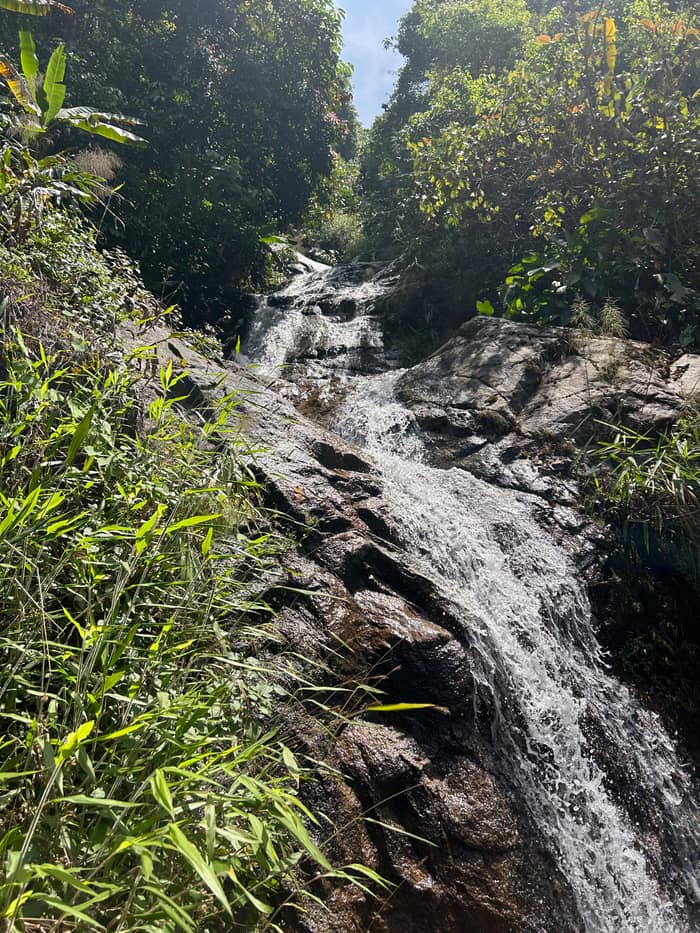
Start early
Dry, bright, smoky
Compare the seasons
Greenest
Rain, mist and full streams
Compare the seasonsThis is the season TAT recommends. It says the cool season has officially begun when the temperature drops and humidity falls, and it names November to February the best months for travel because tourists get a break from the usual tropical heat.2 The cooler months are also described as suited to hiking and camping in the North, with lower temperature and humidity making daytime activities more comfortable.24 That fits the forest walks and village strolls of a Mae Kampong day Plan the walks for the middle of the morning, once the chill has lifted, and keep the viewpoint stops for the clearest hours of the day.
The TMD adds the detail for Upper Thailand. November brings much less rain and cool weather for the whole month,23 and cold weather happens at some places in the northern and northeastern parts.28 Thais, according to TAT, use the cool season to visit mountain tops for the early morning mists.29 A morning in the village may therefore begin in mist, which burns off as the sun climbs and the day warms.
Dress in layers. TAT's winter guide advises layers, since a sweater and scarf are needed by 7:00 AM.30 The northern city turns cooler between November and February, and the crisp air suits outdoor plans.31 Bring a light jacket for the car, a fleece for the lanes and a hat for the afternoon sun, and wear a base layer that you can peel off without unpacking the whole bag. Gloves are rarely needed, but a warm drink from a village cafe at mid-morning is a pleasant way to use the cool air.
Plan the cost
Pick a group size and compare what each Mae Kampong day from Chiang Mai costs in total.
Compare 4 choices
Pick a group size and compare what each Mae Kampong day from Chiang Mai costs in total.
≈
View≈
View≈
View≈
ViewFrom-prices on GetYourGuide, shown at the ECB reference rate. Your exact price is confirmed during booking.
The calendar
Cool season
TAT's advice favors travel in the cool months, when humidity drops.2
Hot weeks
March is sweltering and dry, and April the most sweltering month.10,11
Rains begin
The rainy season starts in the 2nd half of May.12
A pause
A dry spell of 1 to 2 weeks may occur in June.13
Peak rain
September delivers the year's heaviest monthly rain.14
Turn to cool
October is the transition to the winter season.15
March and April are the hot, dry weeks. The TMD says March is sweltering and dry with little humidity, with very hot weather on some days, especially in Upper Thailand,10 and that summer thunderstorms are short, cover narrow areas and often bring severely gusty wind.32 April is the most sweltering month of the whole year.11 Operator copy says the elevation keeps the hill mild, but a midday walk on an open slope is still a poor idea, so plan the morning for activity and the afternoon for shade.
Smoke is the real caveat in this season. TAT issued an advisory in March 2019 asking tourists in Chiang Mai and the surrounding provinces to monitor air quality index reports and take precautions,4 pointing to the Pollution Control Department's Air4Thai website and app.26 The advisory lists an N95-rated face mask outdoors among the precautions,27 and attributes the haze mainly to forest fires, scrub burning in the open and vehicle exhaust.33 That is a dated statement, but it describes a recurring pattern worth checking.
If you are flexible, check the air quality index a few days before you travel and again on the morning. When the index is poor, the viewpoints lose their point, because the valley disappears into haze, and the forest walk is less pleasant. The village cooperative funds a buffer line to slow forest fires, so it knows the risk firsthand.34 You can treat a smoky week as a reason to move the visit, not to cancel the trip outright.
Video
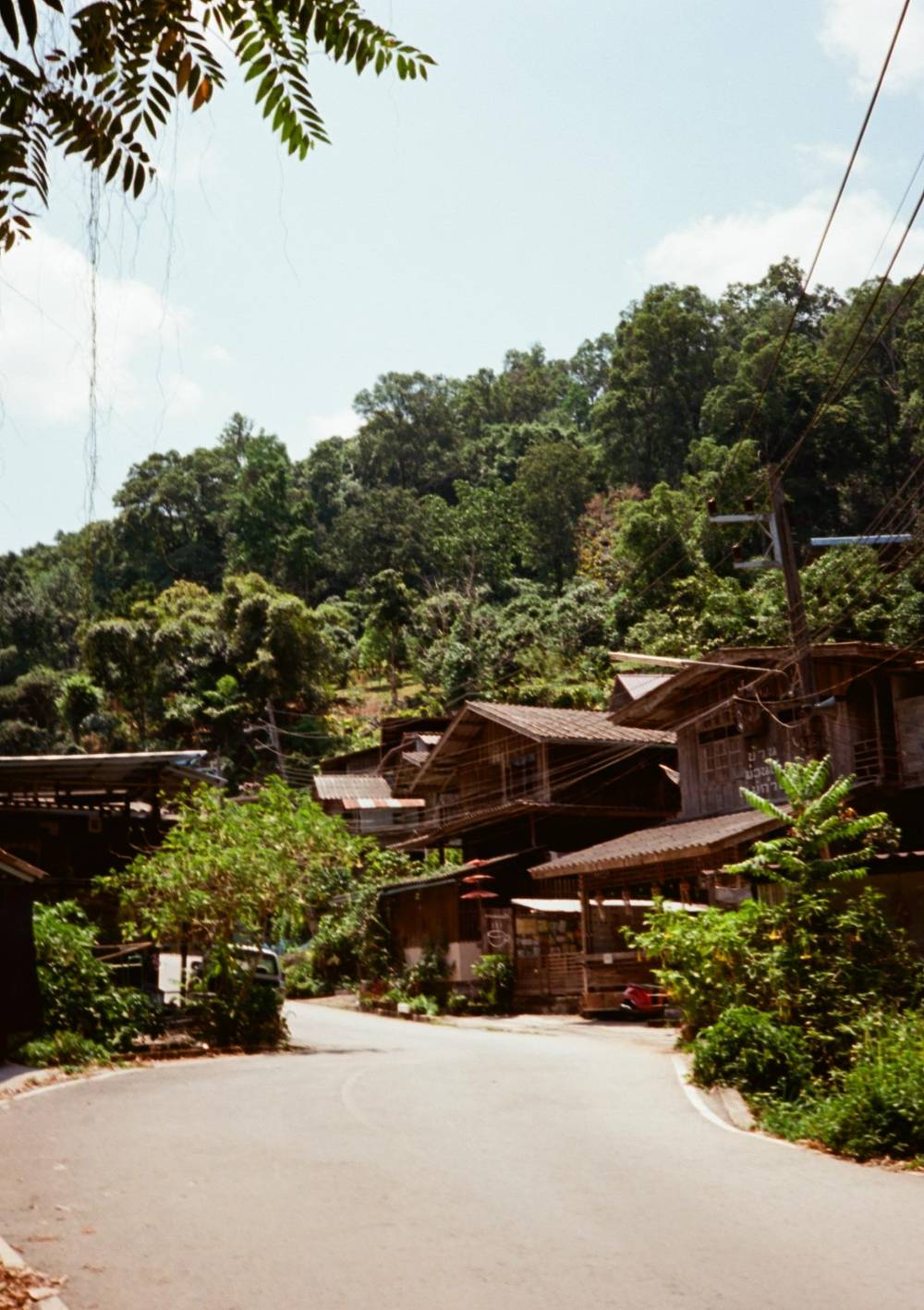
Alright Anton! on YouTube · The video waits until you tap play to load.
mountainous, forested location ensures a pleasant, cool climate all year round
The rainy season starts in the 2nd half of May, when the TMD says temperature will reduce with increasing rain.12 In June the rain eases and a dry spell of 1 to 2 weeks may occur, especially around Upper Thailand,13 and July can bring little or no rain for many days before abundant rain returns.21 August is the TMD's densely rainy month, and September the wettest of the year in most areas.22,14
October is the hinge. The TMD describes it as the transition from the rainy to the winter season, with less rain and reducing temperature in Upper Thailand and cool weather from the middle of the month.15 So the wettest stretch for the village runs from August to September, and mid-October starts to turn dry. The site tour's operator says the waterfalls flow at their fullest in the rainy months, which is a reason to go in the green season if you can accept showers.
Rain changes the trail, not the day. The gibbon tour runs whatever the weather, on a forest trail described as steep and uneven for 3 to 5 km, so wet ground makes it slower. Wear shoes with a firm sole, bring a light rain jacket and a plastic bag for your phone, and ask the operator whether the route changes when the path is slick. TAT's green season note describes mist-shrouded mountains and valleys, which are a reward for going.35
Pack for cool mornings and warm middays at every time of year. A light jacket or fleece, a long-sleeved shirt, a hat and sunscreen cover the cool season and the hot weeks, while a rain jacket and a dry bag cover the rains. Closed shoes with grip suit the lanes, the waterfall and the forest trail at once. A scarf serves as neck warmth in the morning and a sun shade by noon, and it also helps when you enter a village temple.
The hill road matters too. The last few km of the drive is a winding road, and the site tour's listing suggests bringing sickness tablets if required. Eat lightly before the drive, sit near the front and keep a layer within reach, because the van's air conditioning and the mountain air can feel cold after the heat of the plain. If you drive yourself, allow extra daylight, since the road home is slower after rain.
Finally, check the forecast for Chiang Mai city and expect the village to feel cooler. The elevation is 1,300 meters, and the case study average is 10-18 °C.1 A flexible plan, a flask of something hot and an extra layer in the bag will serve you in every month, and they weigh far less than the regret of leaving them behind. Pack the same bag whether you go with a tour or on your own, and keep the heaviest items low in the pack so the winding road does not shift them around.
FAQ
Sources
Related reading
Planning the day to Mae Kampong? Ask a real person here.