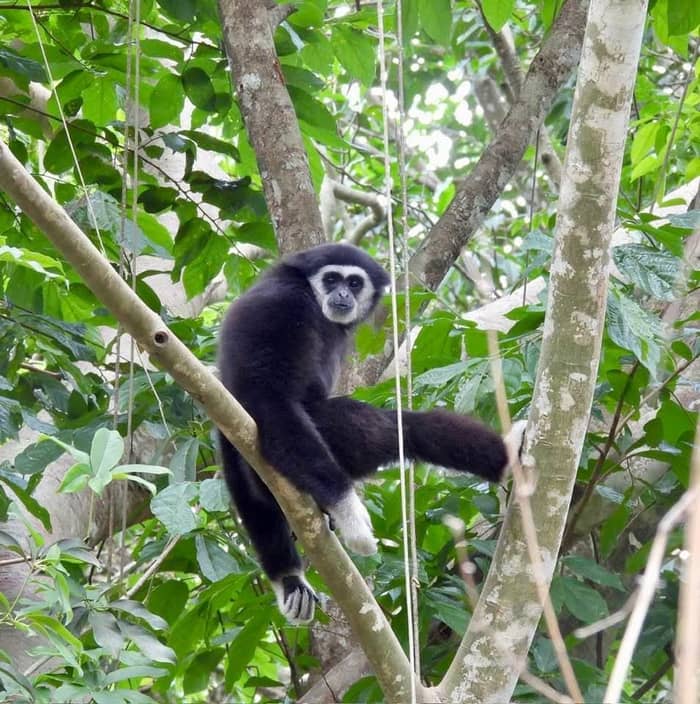
Stay
Village homestay
A family home in the hills
- PriceTHB 500 to 2000
- NumberOver 20
- StandardTAT
Guides
Language
Currency
See availabilitystarting at $75 · free cancellationLocate your stop
Map of 31 stops
Select a route, then press a pin or stop to read its note and open Google Maps.
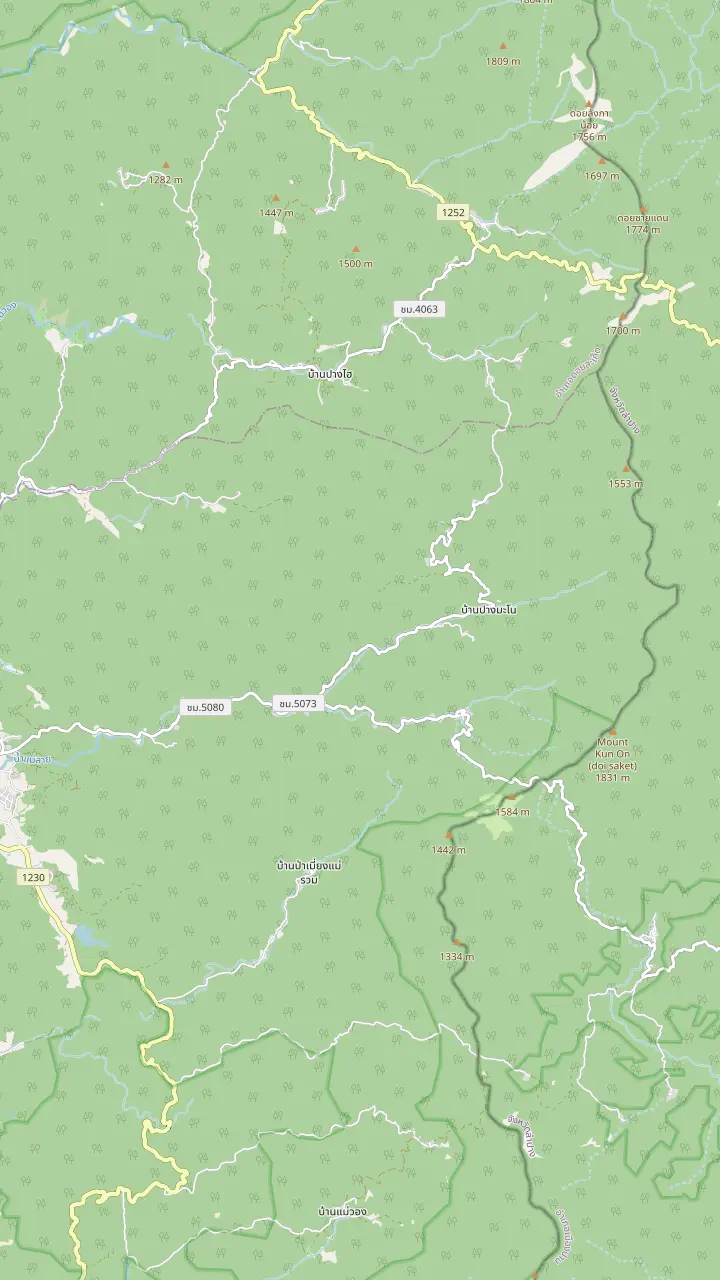
The lanes of Mae Kampong sit about 1,300 m above sea level.
Google MapsA viewpoint that one private day names as its panoramic stop.
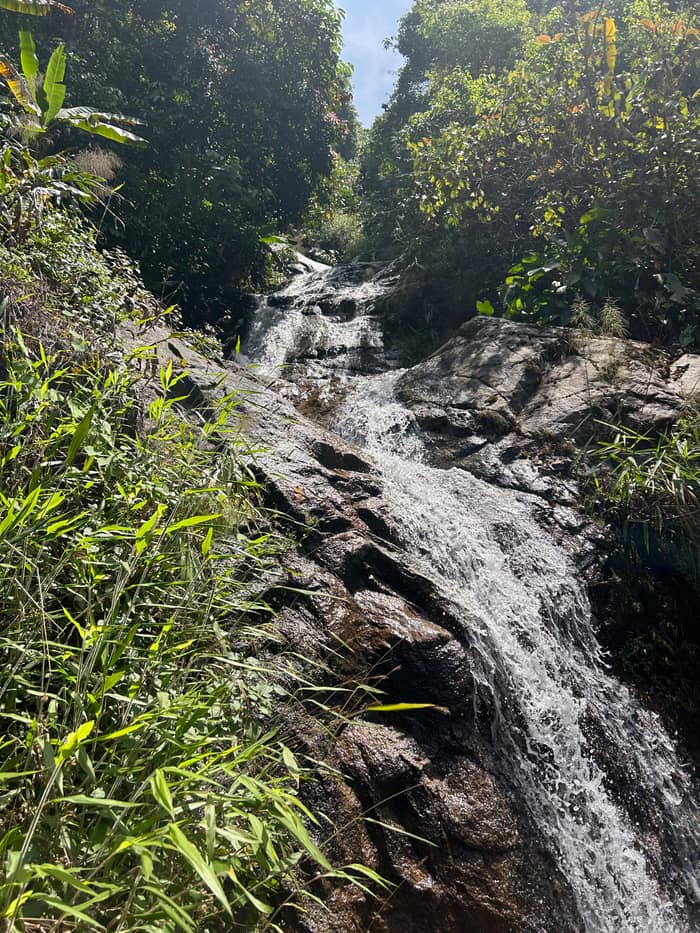
Google MapsA multi-level waterfall a short walk from the village.
Google MapsThe Teen Tok Royal Project Development Center, a stop on the minivan listing.
Google MapsA guest house on the village lane.
Google MapsA guest house on the village lane.
Google MapsA hotel north-west of the village, towards the road down to the plain.
Google MapsA camping resort west of the village, close to the Royal Project centre.
Google MapsA lodge in the valley west of the village, near the Royal Project centre.
Google MapsA homestay north of the village, near the Giant Chiang Mai cafe.
Google Maps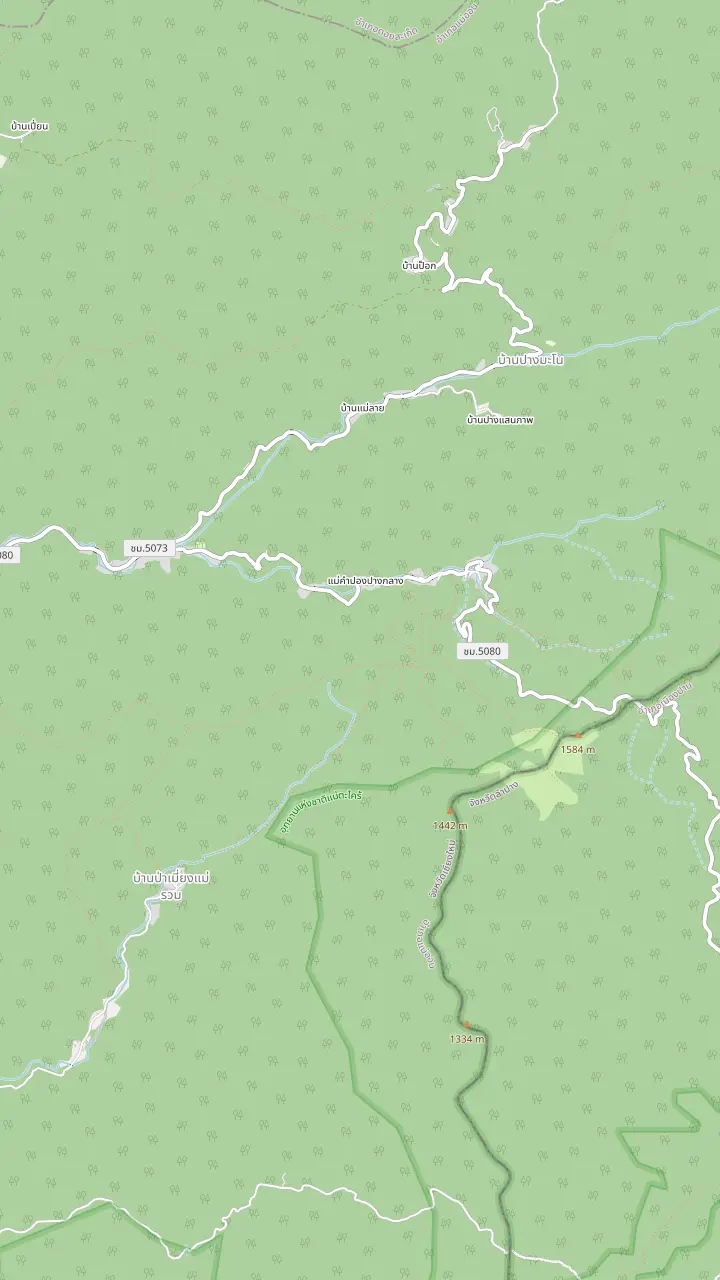
The lanes of Mae Kampong sit about 1,300 m above sea level.
Google MapsA coffee house on the village lane, named in the minivan listing.
Google MapsA village temple, named as a stop by the private minivan listing.
Google MapsA viewpoint cafe above the valley, named as a stop by the Giant Cafe day trip.
Google MapsA multi-level waterfall a short walk from the village.
Google MapsA viewpoint that one private day names as its panoramic stop.
Google MapsThe Teen Tok Royal Project Development Center, a stop on the minivan listing.
Google Maps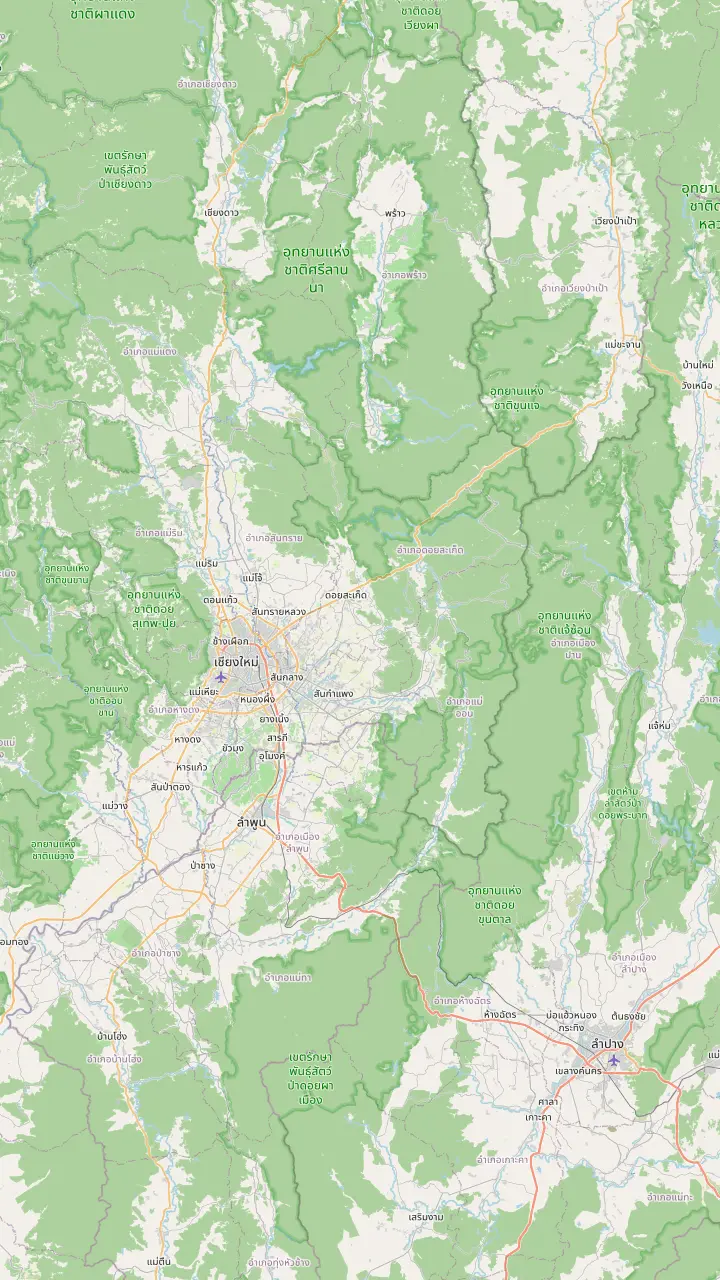
The old-city gate, used here only as the Chiang Mai reference point.
Google MapsChiang Mai International Airport, south-west of the old city.
Google MapsThe city's Arcade bus terminal, north-east of the old city.
Google MapsThe umbrella-making centre of Bo Sang village, in San Kamphaeng district.
Google MapsThe San Kamphaeng hot springs lie in Mae On District.
Google MapsThe lanes of Mae Kampong sit about 1,300 m above sea level.
Google Maps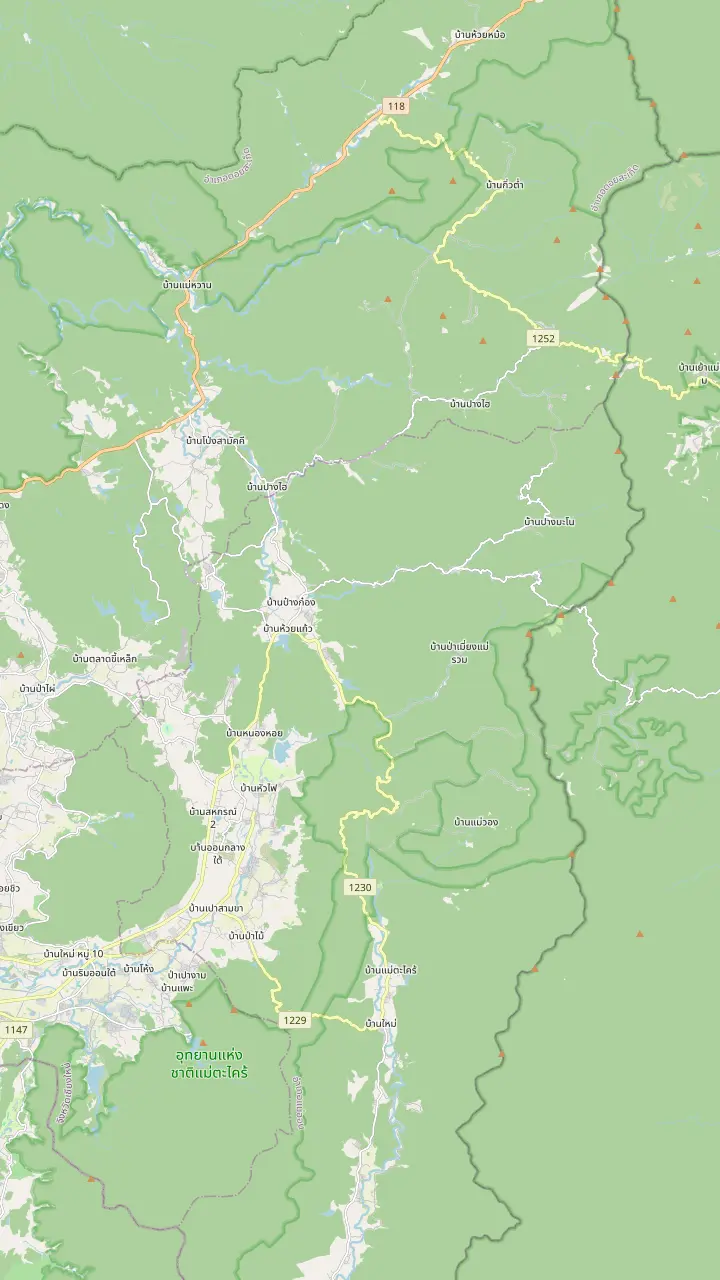
The lanes of Mae Kampong sit about 1,300 m above sea level.
Google MapsA multi-level waterfall a short walk from the village.
Google MapsThe Teen Tok Royal Project Development Center, a stop on the minivan listing.
Google MapsThe treetop cafe with a wooden skywalk, reached by local truck on the private day that adds it.
Google MapsA zipline and trekking park in the forest north of the village.
Google MapsA set of nature trails north of the village.
Google MapsA limestone cave with stairs to the entrance, where wild monkeys may be seen.
Google MapsThe San Kamphaeng hot springs lie in Mae On District.
Google MapsMap data from © OpenStreetMap contributors
The village is known for its homestays rather than hotels. Here is how the scheme works, what a night costs and when a night beats the day trip.
Editorial team, maekampongtour.top · Updated November 12, 2026 · Read in 6 min
Overview
People who search for a Mae Kampong village hotel are pointed by the official sources we could fetch toward homestays, because those sources describe the homestay scheme and name no hotel. The Mekong Tourism Coordinating Office says Mae Kampong pioneered the homestay experience in Thailand, and that the options now number over 20, each meeting the standards of the Tourism Authority of Thailand.1 That is the backbone of where to stay in Mae Kampong village.
The scheme is deliberately capped. The same source says the Tourism Authority of Thailand limits the number of homestays to prevent overtourism, and an older FAO case study had already noted that the community is small and that the possibility of adding accommodation for tourists is limited.1,4 A homestay is the usual answer, and in plain terms the number of beds is finite, so do not count on one turning up on the day.
Behind the beds is a cooperative. Over 30 households take part in the community-based tourism effort, and the villagers add their tourism revenue to a local cooperative that funds social and environmental activities.5 We sell no rooms on this site, so use the village's own channels or a booking platform, and read this page as a map of the choices rather than a list of prices from us.
Side by side
| Option | Time | Cost | Best for |
|---|---|---|---|
| Village homestay | A night or more7 | THB 500 to 20002 | Slow mornings |
| Our gibbon day | 7 hours | From $75 | Gibbons, guide |
| Private coffee and sunset | 4 hours | From $84 | Late light |
| Giant Cafe day | 8 hours | From $51 | A lower fare |
Homestay prices are the MTCO range; tour prices are starting fares and vary by date and group.2
For a Mae Kampong village homestay, between THB 500 and 2000 per night, the Mekong Tourism Coordinating Office says, guests get an immersion in the local lifestyle and take part in their hosts' daily activities.2 The wide range suggests rooms of different standards and different inclusions, so ask every host what the price covers, especially meals, before you pay.
An older FAO case study, written soon after tourism began, priced the basic long-stay package at 1000 baht for two days and one night in a cottage with three meals.7 The same paper counted only 13 households that could accommodate 60 tourists at a time.9 Both numbers belong to the early days, and the scheme has grown since, but they show the original idea: a few cottages, shared meals, a small footprint.
To set that against the other costs of a trip, our price guide lists the day trips from Chiang Mai, with the small-group gibbon day from $75 and the Giant Cafe day from $51. A night in a homestay is a different product, because it buys time in the village rather than a guided program, and the two can be combined if you book the day trip first and then ask the operator whether a one-way plan is possible.
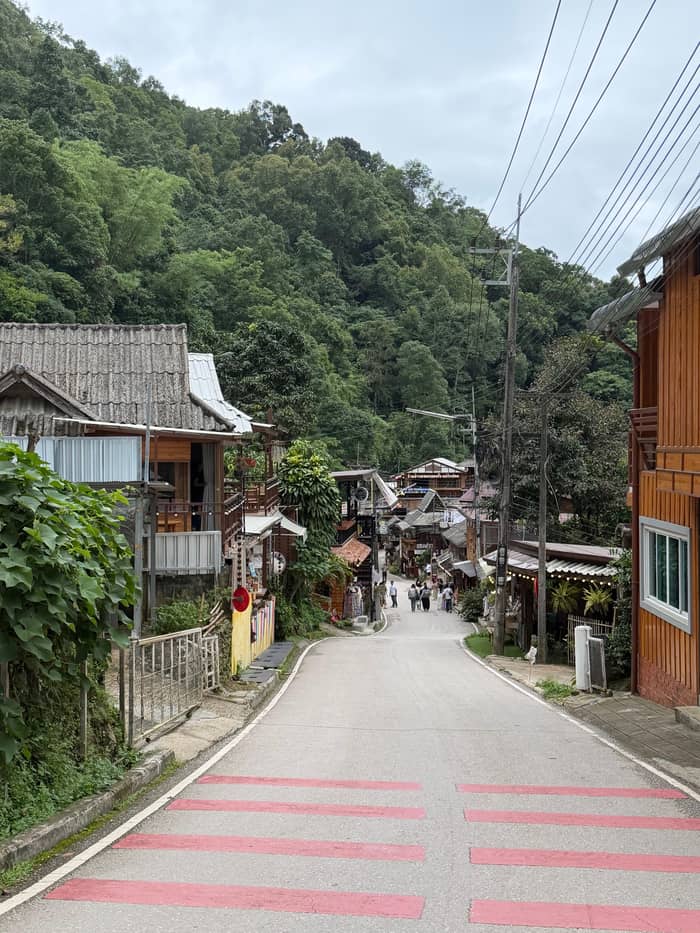
The setting is the point. Set about 1,300 meters up, the village has a main road of old timber shophouses, and the Mekong Tourism Coordinating Office describes a pleasant, cool climate all year round.3,13 The FAO case study put the average temperature at 10-18 degrees Celsius throughout the year, a figure that helps explain the extra layer in every packing list.14
The national tourism authority notes that northern mornings and nights in the cool season can reach around 10 degrees Celsius, so a bed in December is a different experience from one in the hot weeks.12 Ask your host about bedding and heating when you book, because a village at this altitude has cold nights in the cool months.
Day trippers leave. Our timetable has the group heading back to the city at 15.00, which means the hours after that, and the early morning before the vans arrive, belong to guests who stay. Those hours are when the viewpoints, the cafes the Mekong Tourism Coordinating Office names, such as the Giant Chiangmai treehouse cafe and Ing Dao cafe, and the waterfall hike can be done at a slower pace.15,16
Pick your night
Pick what matters most and see which way of sleeping fits.
If I want slow mornings in the hills
A village homestay
If I want the gibbons and a guide
The gibbon trek day
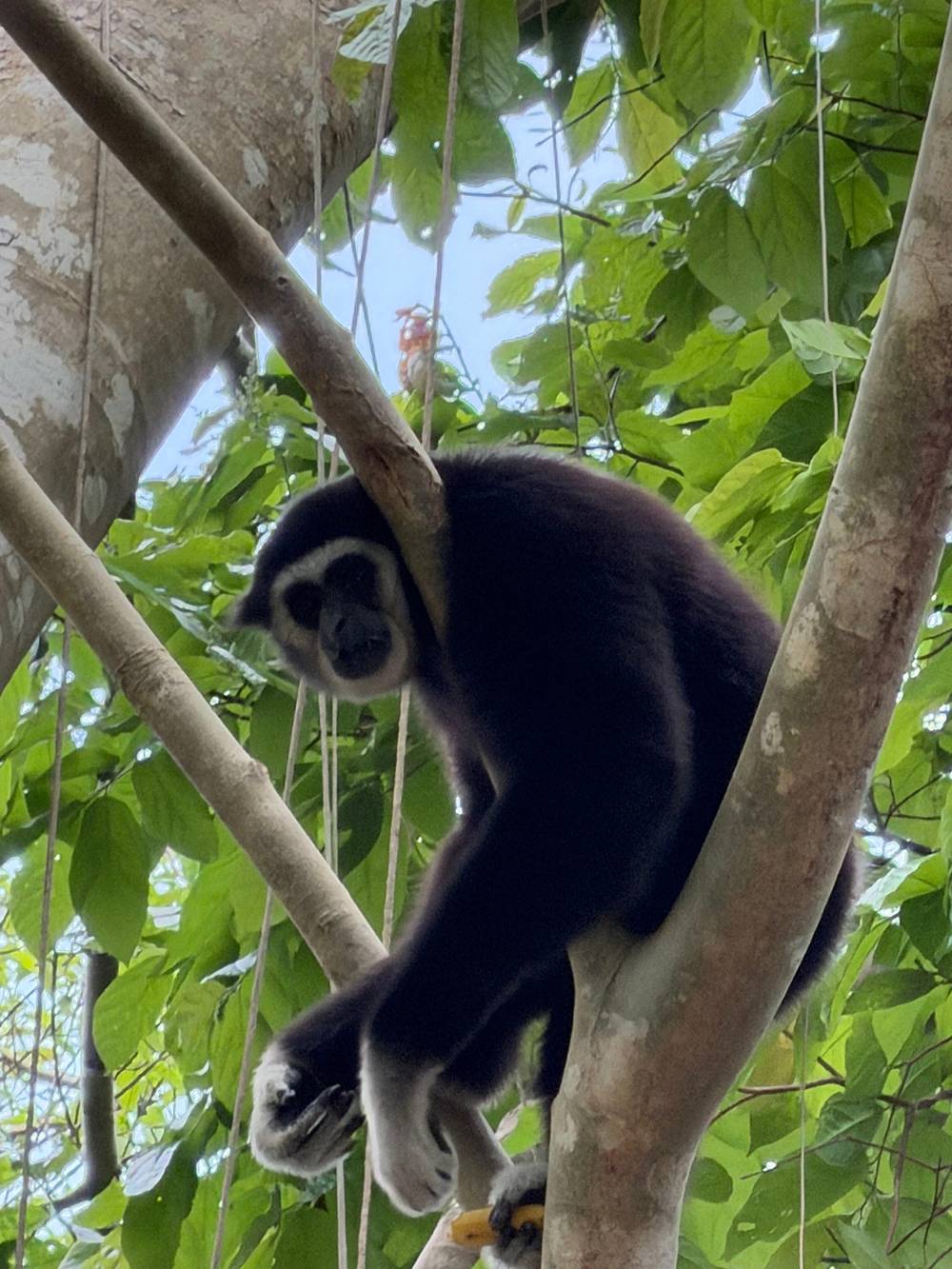
The listing describes the caretakers and the gibbon area.
If I want the village at sunset
A private sunset tour
4 hours from $84, back in Chiang Mai the same evening.
If I have lots of luggage
A car or private driver
The village is about 50 km away on Highway 1317.11
If I feel the cold
Ask about bedding
The north can reach around 10 degrees Celsius at night.12
Ways to sleep or not
Stay
A family home in the hills
Booked here
Small group, back by 15.00
Private
Private, 4 hours
The decision is about time and effort. A day trip means a drive of about 1 hour each way on the listing, a full program and a bed in the city, while a night means one drive and the freedom to be on the trail or at the viewpoint on your own schedule. If the gibbons are your priority, a day trip is the way to meet them through the caretakers, since that is what the tour listing describes.
A private tour is the middle path. One private listing offers 4 hours in the village for coffee and sunset from $84, which lets you see the village in the late light and return to the city the same evening. If you want the sunset and not the night, that is a cleaner choice than a full homestay.
If you do stay, plan the next day. Mae Kampong waterfall cascades down seven rocky steps after a short hike from the village, and Kew Fin Viewpoint offers wide views of Chiang Mai province, although one private listing says it was shut for works from August 2025 until 10 October 2026, so check that it is open.16,15 Both are best done unhurried, which is the real gain of sleeping in the village instead of racing the 15.00 van.
How the stays began
1980s
Villagers started growing coffee for a Royal Project.6
December 2000
The headman began offering visitors a long-stay package.7
2020
First runner-up in the homestay category of the awards.8
Today
Each meets TAT standards, and the number is limited.1
The access question is simple but real. The village lies about 50 km from Chiang Mai, about 1 hour by car on Highway 1317, and the last few km of the approach are a winding road.11 With luggage, a hired car or a private driver is easier than a small-group tour, which returns to the city on the same day.
A minivan with a driver is listed for 8 hours from $55, but the listing is clear that the driver has limited English and the package includes no guide. That is a transport-only deal, and it may not suit a one-way run with a bag. Ask the operator in writing whether a drop at the village and a later collection is possible, because the tour itineraries we checked all describe a return to the city.
Fit the stay into the week around Chiang Mai. A night here pairs well with a day at the hot springs and handicraft stops that one private listing combines with the village over 8 hours. Our page on things to do around Mae Kampong sets out that loop and others on a map, so you can see how those stops sit around the village.
Video
StayCoolKeto on YouTube · The video waits until you tap play to load.
The village pioneered the homestay experience in Thailand. Starting from a mere handful of homes, the homestay options now number over 20, each one meeting the Tourism Authority of Thailand’s high standards of hospitality.
Before you book
Book early for the cool months, November to February, because with a capped number of homestays a good date can go.12,1 Message the host to confirm the dates, the price per night and what meals are part of it, and keep the confirmation. A homestay is a family business, so a short polite message with your arrival time goes a long way, and so does telling the host about any food needs.
Remember where the money goes. Here the shared purse has real uses: the cooperative pays for forest work, such as planting trees and keeping a firebreak against wildfire.20 In 2020 it was named first runner-up in the Best Homestay category of the national rural tourism awards, which says something about how the scheme is run.8
Be a light guest. Keep noise down after dark, ask before photographing people or their homes, and carry out what you carry in. The village is a living community of families, not a theme park, and the rules of the house you stay in apply. A stay that respects them is the best advertisement the homestay scheme has, and it keeps the cooperative's work going.
FAQ
Sources
Related reading
Planning the day to Mae Kampong? Ask a real person here.